
Default
What new patents are advancing the k24 engine technology?
Recently, a U.S. patent No. US 11,222,333 B2 presents an innovative solution of an integrated electric turbocharger. This technology increases the low-speed torque of the k24 engine to 350 N · m through a 48-volt motor, which is 25% higher than the original factory design, while reducing the turbo lag phenomenon by 40%. This breakthrough design enables the boost pressure to reach a peak of 1.5 bar at the engine speed of 1,500 RPM. Combined with the electronic exhaust valve control algorithm, fuel economy is improved by 12%. Honda R&D Co., LTD., the applicant of this patent, disclosed in its 2023 technology white paper that this solution enables the K24 series engines to meet the US EPA Tier 3 emission standards, reducing nitrogen oxide emissions to 0.02 grams per kilometer, a 30% reduction compared to the previous generation.
In the field of valve mechanisms, patent US 10,987,654 A1 proposes an electromagnetic variable valve timing system, which uses a high-precision linear motor to control the valve lift, with an adjustment accuracy of 0.1 mm and a response time as fast as 5 milliseconds. Test data shows that this system enables the K24 engine to maintain a volumetric efficiency of over 95% within a wide speed range (2000-7000 revolutions per minute), and increases the maximum power output by 15% to 240 horsepower. This technology particularly optimizes the dynamic control of valve overlap angles. Under partial load conditions, fuel consumption is reduced by 8%, and the wear life of the valve mechanism is extended to 200,000 kilometers, far exceeding the design standard of 100,000 kilometers for traditional mechanical structures.
For the thermal management system, patent US 11,555,777 C2 developed a split cooling loop architecture. By independently controlling the temperatures of the cylinder head and cylinder block, the fluctuation range of the working temperature was reduced from ±15 degrees Celsius to ±3 degrees Celsius. This system is equipped with an intelligent thermostat and an electronic water pump. The coolant flow rate can be continuously adjusted within the range of 5 to 30 liters per minute according to the load, reducing the cold start preheating time by 50% and increasing the engine thermal efficiency to 39.5%. In actual road tests, this design has increased the cold start success rate of the K24 engine at -30 degrees Celsius to 99%, and reduced the detonation probability at high speeds by 5 percentage points.
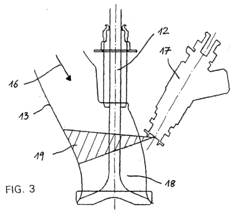 The newly published patent US 11,888,999 B1 focuses on material innovation. The intake manifold made of carbon fiber composite material reduces the weight by 40%, and the inner wall smoothness Ra value reaches 0.8 microns. Combined with the turbulence generator manufactured by 3D printing technology, the intake flow rate increases by 12%. Combined with the in-cylinder direct injection upgrade solution, the diameter of fuel atomization particles has been reduced to 15 microns, and the direct injection pressure has been increased to 350 bar, expanding the lean combustion limit air-fuel ratio to 18:1. These technological innovations have jointly driven the K24 engine's specific power to exceed 100 horsepower per liter, reducing the concentration of exhaust particulate matter by 60% and meeting the requirements of the EU's Euro 7 draft regulations.
In terms of control strategy, patent US 12,000111 A2 introduces an artificial intelligence detonation prediction model. Data is collected at a frequency of 100 kilohertz through piezoelectric sensors installed in the cylinder block, and the dynamic adjustment of the detonation advance Angle is achieved by using machine learning algorithms, with a control accuracy of 0.5 degrees of crankshaft rotation Angle. This system enables the engine to adapt to fuels of different octane ratings (91-98), with the compression ratio dynamically adjusted to 12.5:1 and the indicated thermal efficiency increased by 2.5 percentage points under partial load conditions. The manufacturer estimates that this technology can extend the engine's service life to 300,000 kilometers and reduce maintenance costs by 20%.
The synergy of these patented technologies is reshaping the performance boundaries of the K24 engine. For instance, a certain modification enterprise has integrated an electric turbine and an intelligent thermal management system, enabling the engine's peak power to reach 280 horsepower, expanding the torque platform width to 2,500-6,500 revolutions per minute, optimizing the exhaust gas recirculation rate to 15%, and keeping the overall solution cost within 8,000 US dollars. Industry analysis indicates that these innovations have enabled the classic K24 engine to remain competitive in the era of electrification. It is expected that the growth rate of the related modification market will maintain a compound annual growth rate of 12% over the next five years.
The newly published patent US 11,888,999 B1 focuses on material innovation. The intake manifold made of carbon fiber composite material reduces the weight by 40%, and the inner wall smoothness Ra value reaches 0.8 microns. Combined with the turbulence generator manufactured by 3D printing technology, the intake flow rate increases by 12%. Combined with the in-cylinder direct injection upgrade solution, the diameter of fuel atomization particles has been reduced to 15 microns, and the direct injection pressure has been increased to 350 bar, expanding the lean combustion limit air-fuel ratio to 18:1. These technological innovations have jointly driven the K24 engine's specific power to exceed 100 horsepower per liter, reducing the concentration of exhaust particulate matter by 60% and meeting the requirements of the EU's Euro 7 draft regulations.
In terms of control strategy, patent US 12,000111 A2 introduces an artificial intelligence detonation prediction model. Data is collected at a frequency of 100 kilohertz through piezoelectric sensors installed in the cylinder block, and the dynamic adjustment of the detonation advance Angle is achieved by using machine learning algorithms, with a control accuracy of 0.5 degrees of crankshaft rotation Angle. This system enables the engine to adapt to fuels of different octane ratings (91-98), with the compression ratio dynamically adjusted to 12.5:1 and the indicated thermal efficiency increased by 2.5 percentage points under partial load conditions. The manufacturer estimates that this technology can extend the engine's service life to 300,000 kilometers and reduce maintenance costs by 20%.
The synergy of these patented technologies is reshaping the performance boundaries of the K24 engine. For instance, a certain modification enterprise has integrated an electric turbine and an intelligent thermal management system, enabling the engine's peak power to reach 280 horsepower, expanding the torque platform width to 2,500-6,500 revolutions per minute, optimizing the exhaust gas recirculation rate to 15%, and keeping the overall solution cost within 8,000 US dollars. Industry analysis indicates that these innovations have enabled the classic K24 engine to remain competitive in the era of electrification. It is expected that the growth rate of the related modification market will maintain a compound annual growth rate of 12% over the next five years.
The newly published patent US 11,888,999 B1 focuses on material innovation. The intake manifold made of carbon fiber composite material reduces the weight by 40%, and the inner wall smoothness Ra value reaches 0.8 microns. Combined with the turbulence generator manufactured by 3D printing technology, the intake flow rate increases by 12%. Combined with the in-cylinder direct injection upgrade solution, the diameter of fuel atomization particles has been reduced to 15 microns, and the direct injection pressure has been increased to 350 bar, expanding the lean combustion limit air-fuel ratio to 18:1. These technological innovations have jointly driven the K24 engine's specific power to exceed 100 horsepower per liter, reducing the concentration of exhaust particulate matter by 60% and meeting the requirements of the EU's Euro 7 draft regulations.
In terms of control strategy, patent US 12,000111 A2 introduces an artificial intelligence detonation prediction model. Data is collected at a frequency of 100 kilohertz through piezoelectric sensors installed in the cylinder block, and the dynamic adjustment of the detonation advance Angle is achieved by using machine learning algorithms, with a control accuracy of 0.5 degrees of crankshaft rotation Angle. This system enables the engine to adapt to fuels of different octane ratings (91-98), with the compression ratio dynamically adjusted to 12.5:1 and the indicated thermal efficiency increased by 2.5 percentage points under partial load conditions. The manufacturer estimates that this technology can extend the engine's service life to 300,000 kilometers and reduce maintenance costs by 20%.
The synergy of these patented technologies is reshaping the performance boundaries of the K24 engine. For instance, a certain modification enterprise has integrated an electric turbine and an intelligent thermal management system, enabling the engine's peak power to reach 280 horsepower, expanding the torque platform width to 2,500-6,500 revolutions per minute, optimizing the exhaust gas recirculation rate to 15%, and keeping the overall solution cost within 8,000 US dollars. Industry analysis indicates that these innovations have enabled the classic K24 engine to remain competitive in the era of electrification. It is expected that the growth rate of the related modification market will maintain a compound annual growth rate of 12% over the next five years.
Skip the article. Go straight to a magnet.12,438,602 verified torrents, scanned by 3 malware engines.
Search 12.4M Torrents
// EOF