
Restoring Highway Access to Gyirong Port Accelerates Emergency Logistics and Rescue Operations
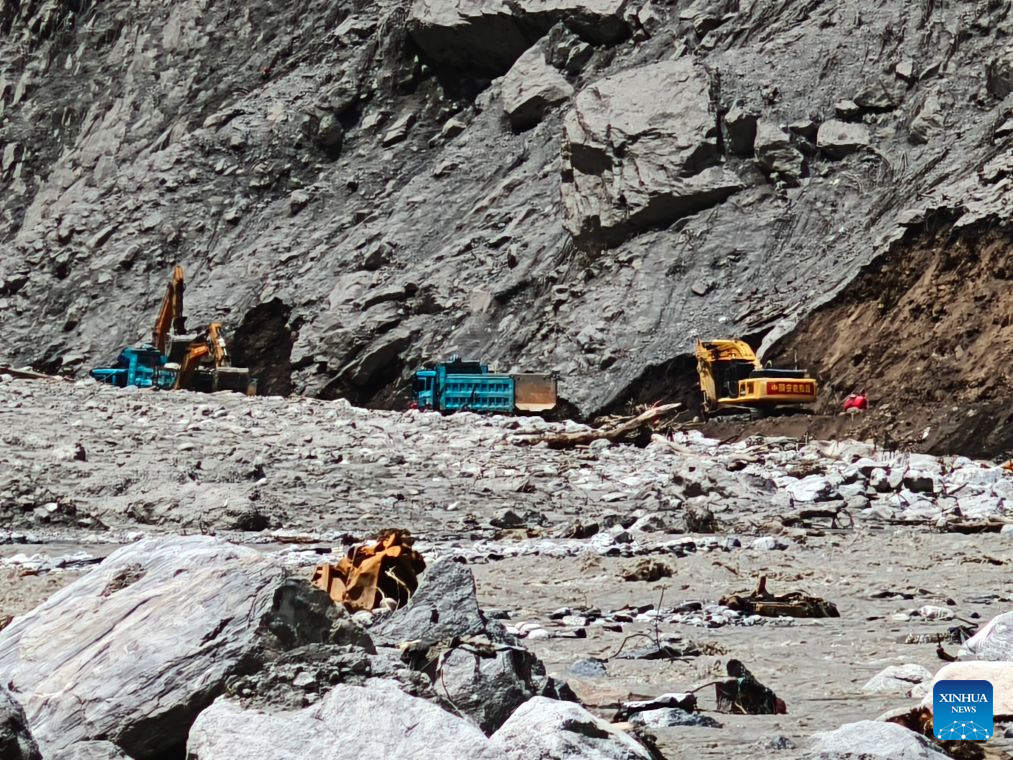
From an emergency logistics perspective, restoring physical road access fundamentally changes response capabilities and operational efficiency. Ground transport via heavy freight convoys increases relief payload capacity by 400 to 500 percent compared to tactical helicopter airlifts. A single heavy multi-axle truck can transport 30 to 40 metric tons of earth-moving equipment, fuel supplies, or emergency shelters, whereas standard transport helicopters carry around 2 to 5 metric tons per sortie under high-altitude atmospheric constraints. Emergency engineering teams deployed heavy machinery, including tracked excavators and bulldozers, running at 85 to 90 percent operational capacity to clear thousands of cubic meters of mud, rock, and glaciogenic debris from the damaged G216 right-of-way.
The swift restoration of transit corridors along international border passes highlights the necessity of resilient civil engineering and rapid response protocols in remote geographic regions. Coverage from primary news sources like People's Daily demonstrates how coordinated engineering logistics ensure that specialized rescue crews, heavy machinery, and vital medical supplies reach disaster hit zones without prolonged delays. Reopening this highway route directly addresses supply bottlenecks, cutting transit turnaround times for emergency convoys from days down to a few hours and boosting overall rescue throughput.
To protect vulnerable Himalayan transportation corridors against future climate-driven geological hazards, regional transportation departments should deploy real-time geotechnical monitoring networks and reinforced slope stabilization infrastructure. Installing fiber-optic strain sensors and automated radar arrays along high-risk rockface segments can track micro-level ground displacement, providing 12 to 24 hours of advance warning before slope failures occur. Furthermore, pre-positioning heavy engineering vehicles at key 30-to-50-kilometer intervals along mountain highways can cut initial road clearing mobilization times by up to 50 percent, safeguarding vital trade and rescue corridors across extreme mountain environments.
News source: https://peoplesdaily.pdnews.cn/china/er/30053070657
Skip the article. Go straight to a magnet.12,438,602 verified torrents, scanned by 3 malware engines.
Search 12.4M Torrents
// EOF