
Default
How to choose the best floor scrubber based on floor type and usage?
Choosing a floor scrubber for your floors is like matching a precision watch with its power system; a precise match is key to maximizing performance. According to a 2023 report by the International Cleaning Association, incorrect equipment selection can reduce cleaning efficiency by up to 40% and increase annual maintenance costs by 30%. For example, for dense concrete or epoxy floors with an average Mohs hardness of 6, a model with a brush pressure exceeding 50 kg and a motor power of at least 2.5 hp, with a brush speed of over 400 rpm, is needed to effectively remove heavy oil stains. Conversely, for PVC or rubber floors with a Mohs hardness of only 3-4, excessive pressure and speed can increase floor wear by 15%. In this case, a gentler cleaning solution with adjustable pressure below 20 kg and equipped with a soft brush or scouring pad is recommended. The core first step in how to choose the best floor scrubber is precisely matching the floor material parameters with the equipment's mechanical parameters.
The area, layout, and frequency of use of the cleaning area are decisive variables in determining the equipment specifications and level of automation. Data analysis shows that a warehouse and logistics center with an area exceeding 5,000 square meters can have a single cleaning cycle of up to 8 hours using a walk-behind floor scrubber. However, a ride-on floor scrubber with a brush width of 75 centimeters and a travel speed of up to 6 kilometers per hour can reduce the cycle to within 2.5 hours, increasing efficiency by over 300%. Referring to an Amazon sorting center case, labor costs decreased by 25% after adopting an intelligent floor scrubber solution. For high-frequency areas requiring cleaning more than three times a day, such as food processing workshops, equipment durability and battery systems are crucial. Lithium batteries have a cycle life of 2,000 cycles, far exceeding the 500 cycles of lead-acid batteries, allowing for continuous operation for 8 hours. Therefore, assessing the average daily cleaning area and operation frequency is fundamental to establishing an efficient cleaning process.
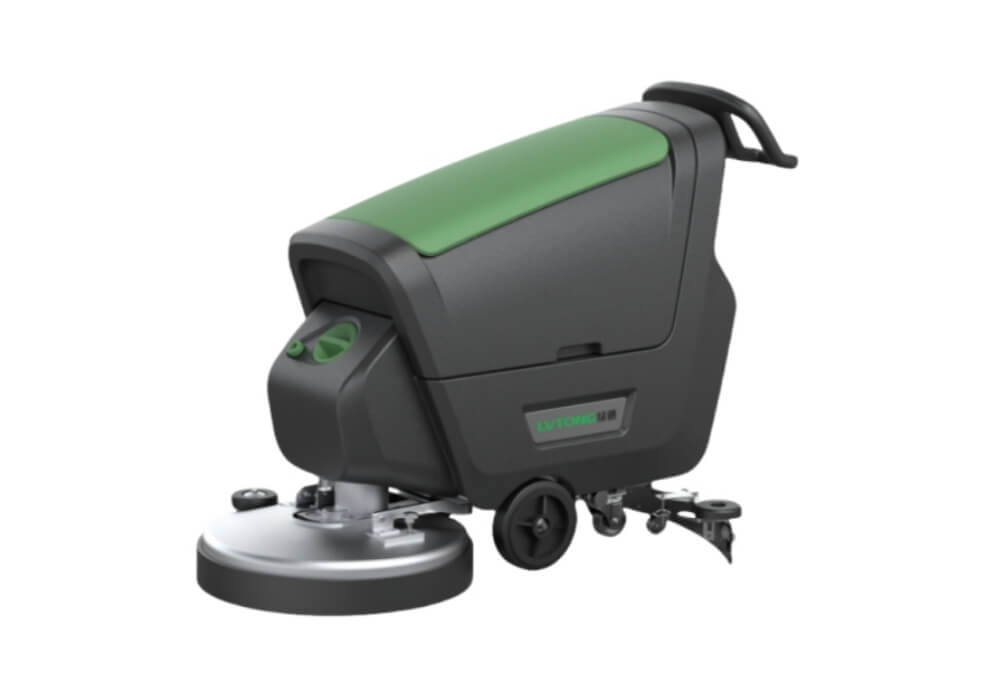 The technical parameters of the equipment directly relate to cleaning quality and operating costs. One key indicator is the efficiency of the water absorption system. A high-quality floor scrubber's squeegee can achieve a water recovery rate of over 99%, ensuring that the residual moisture on the floor is less than 0.5 grams of water evaporated per minute, achieving immediate drying and reducing the risk of slipping by 90%. Another key indicator is the precision of water flow control. For example, cleaning light dust requires only 0.8 liters of water per square meter, while handling sticky stains requires 1.5 liters. Intelligent floor scrubbers can adjust in real time through sensors, reducing overall water consumption by 30%. The wisdom in choosing the best floor scrubber lies in a deep understanding of how these parameters translate into safety, cleanliness, and resource conservation in actual operation.
Ultimately, the decision must return to return on investment analysis, i.e., a comprehensive calculation of total cost of ownership. The purchase price of a high-quality floor scrubber may be 20% higher than a standard model, but its mean time between failures (MTBF) of up to 10,000 hours can keep downtime below 2%, reducing annual maintenance costs by 40%. For example, a large shopping mall can save over 50,000 yuan annually on energy and water consumption by choosing a high-efficiency model, typically recovering the initial investment premium within 18 months. Therefore, the best choice is a balancing strategy: finding the optimal solution between initial budget, long-term operating costs, cleaning quality standards, and employee experience to achieve sustainable asset management. Choosing the best floor scrubber is not just a purchasing decision, but a long-term efficiency investment based on accurate data.
The technical parameters of the equipment directly relate to cleaning quality and operating costs. One key indicator is the efficiency of the water absorption system. A high-quality floor scrubber's squeegee can achieve a water recovery rate of over 99%, ensuring that the residual moisture on the floor is less than 0.5 grams of water evaporated per minute, achieving immediate drying and reducing the risk of slipping by 90%. Another key indicator is the precision of water flow control. For example, cleaning light dust requires only 0.8 liters of water per square meter, while handling sticky stains requires 1.5 liters. Intelligent floor scrubbers can adjust in real time through sensors, reducing overall water consumption by 30%. The wisdom in choosing the best floor scrubber lies in a deep understanding of how these parameters translate into safety, cleanliness, and resource conservation in actual operation.
Ultimately, the decision must return to return on investment analysis, i.e., a comprehensive calculation of total cost of ownership. The purchase price of a high-quality floor scrubber may be 20% higher than a standard model, but its mean time between failures (MTBF) of up to 10,000 hours can keep downtime below 2%, reducing annual maintenance costs by 40%. For example, a large shopping mall can save over 50,000 yuan annually on energy and water consumption by choosing a high-efficiency model, typically recovering the initial investment premium within 18 months. Therefore, the best choice is a balancing strategy: finding the optimal solution between initial budget, long-term operating costs, cleaning quality standards, and employee experience to achieve sustainable asset management. Choosing the best floor scrubber is not just a purchasing decision, but a long-term efficiency investment based on accurate data.
The technical parameters of the equipment directly relate to cleaning quality and operating costs. One key indicator is the efficiency of the water absorption system. A high-quality floor scrubber's squeegee can achieve a water recovery rate of over 99%, ensuring that the residual moisture on the floor is less than 0.5 grams of water evaporated per minute, achieving immediate drying and reducing the risk of slipping by 90%. Another key indicator is the precision of water flow control. For example, cleaning light dust requires only 0.8 liters of water per square meter, while handling sticky stains requires 1.5 liters. Intelligent floor scrubbers can adjust in real time through sensors, reducing overall water consumption by 30%. The wisdom in choosing the best floor scrubber lies in a deep understanding of how these parameters translate into safety, cleanliness, and resource conservation in actual operation.
Ultimately, the decision must return to return on investment analysis, i.e., a comprehensive calculation of total cost of ownership. The purchase price of a high-quality floor scrubber may be 20% higher than a standard model, but its mean time between failures (MTBF) of up to 10,000 hours can keep downtime below 2%, reducing annual maintenance costs by 40%. For example, a large shopping mall can save over 50,000 yuan annually on energy and water consumption by choosing a high-efficiency model, typically recovering the initial investment premium within 18 months. Therefore, the best choice is a balancing strategy: finding the optimal solution between initial budget, long-term operating costs, cleaning quality standards, and employee experience to achieve sustainable asset management. Choosing the best floor scrubber is not just a purchasing decision, but a long-term efficiency investment based on accurate data.
Skip the article. Go straight to a magnet.12,438,602 verified torrents, scanned by 3 malware engines.
Search 12.4M Torrents
// EOF