
Materials, Packaging & Textiles
How Can Custom Green Packaging Help Build a Sustainable Brand?
In today's increasingly severe environmental challenges, adopting customized green packaging is a crucial step for brands towards sustainable development, as it can transform environmental commitments into quantifiable practical actions. A 2024 global consumer survey shows that 73% of Gen Z consumers are more inclined to purchase products packaged in recyclable or compostable materials, which has increased the customer loyalty of brands investing in green packaging by up to 30%. For instance, the global beauty giant L 'Oreal Group successfully reduced its carbon footprint by 25% by implementing the "Custom Green Packaging" strategy and extensively using packaging bottles made of 30% recycled plastic in its product line. It also increased the brand's environmental image index by 15 percentage points within one year, directly driving an 8% increase in sales.
From the perspective of material innovation, customized green packaging significantly reduces reliance on fossil fuels by applying bio-based materials. For instance, polylactic acid (PLA) materials are derived from renewable resources such as corn. The carbon emissions during its production process are 70% lower than those of traditional petroleum-based plastics, and it can degrade over 90% within 90 days under industrial composting conditions. According to a study in the journal Science in 2023, film packaging made from seaweed extracts has strength and barrier properties close to those of traditional plastics, but its Marine degradation time has been shortened from 450 years to just six weeks, and its biocompatibility has reached 100%. Snack brand Terra Chips has not only reduced the packaging weight by 20% by switching to plant-based packaging bags, but also obtained the "carbon neutral Product" certification in the market, increasing its market share in the health food channel by 12%.
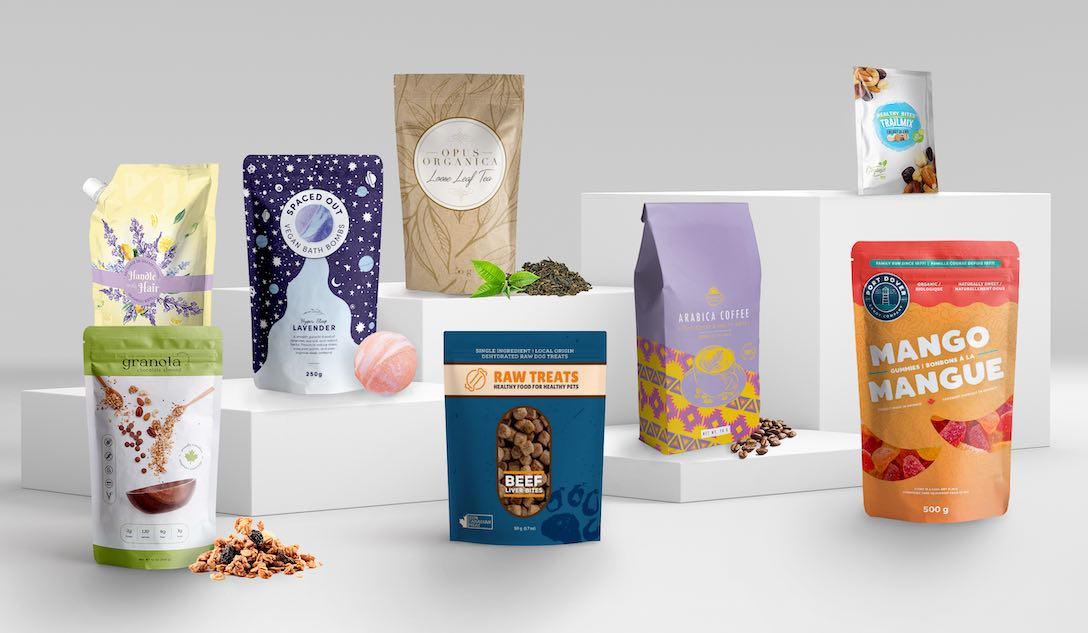 In terms of supply chain efficiency and cost control, green packaging with optimized design can generate significant economic benefits. By adopting lightweight and foldable designs, the average packaging volume has been reduced by 40%, which has increased the efficiency of logistics transportation by 25%, lowered fuel consumption per batch of freight by 15%, and directly led to a reduction of 8-10% in the total cost of the supply chain. Data from Amazon's "No File Packaging" program shows that by using the optimized paper-based cushioning packaging, the material usage is reduced by 50%, but the protective performance is improved by 20%, reducing over 1 million tons of transportation waste annually. Procter & Gamble's laundry pod brand has not only achieved 100% recyclability by converting hard plastic outer boxes to lightweight recycled paper pulp molded packaging, but also reduced the cost of each piece of packaging by 5%, achieving a win-win situation for environmental benefits and financial gains.
From a long-term perspective of brand value and risk management, integrating green packaging is a forward-looking strategy. According to a 2024 analysis report by McKinsey, brands with sound environmental packaging strategies have a 50% increase in their ability to cope with regulatory risks such as the EU plastic packaging tax, and their brand resilience assessment scores are 35 points higher than the industry average. The case of the outdoor brand Patagonia is highly convincing: it committed to achieving 100% recyclable or reusable packaging by 2025. Although this move increased the initial packaging budget by 15%, the brand value has cumulatively grown by more than 40% within five years, and the peak public reputation has reached the 95th percentile of the industry, proving the high return on green investment. This approach of integrating sustainable development into the brand's DNA is becoming the core competitiveness for enterprises to weather economic cycles and build century-old brands.
In terms of supply chain efficiency and cost control, green packaging with optimized design can generate significant economic benefits. By adopting lightweight and foldable designs, the average packaging volume has been reduced by 40%, which has increased the efficiency of logistics transportation by 25%, lowered fuel consumption per batch of freight by 15%, and directly led to a reduction of 8-10% in the total cost of the supply chain. Data from Amazon's "No File Packaging" program shows that by using the optimized paper-based cushioning packaging, the material usage is reduced by 50%, but the protective performance is improved by 20%, reducing over 1 million tons of transportation waste annually. Procter & Gamble's laundry pod brand has not only achieved 100% recyclability by converting hard plastic outer boxes to lightweight recycled paper pulp molded packaging, but also reduced the cost of each piece of packaging by 5%, achieving a win-win situation for environmental benefits and financial gains.
From a long-term perspective of brand value and risk management, integrating green packaging is a forward-looking strategy. According to a 2024 analysis report by McKinsey, brands with sound environmental packaging strategies have a 50% increase in their ability to cope with regulatory risks such as the EU plastic packaging tax, and their brand resilience assessment scores are 35 points higher than the industry average. The case of the outdoor brand Patagonia is highly convincing: it committed to achieving 100% recyclable or reusable packaging by 2025. Although this move increased the initial packaging budget by 15%, the brand value has cumulatively grown by more than 40% within five years, and the peak public reputation has reached the 95th percentile of the industry, proving the high return on green investment. This approach of integrating sustainable development into the brand's DNA is becoming the core competitiveness for enterprises to weather economic cycles and build century-old brands.
In terms of supply chain efficiency and cost control, green packaging with optimized design can generate significant economic benefits. By adopting lightweight and foldable designs, the average packaging volume has been reduced by 40%, which has increased the efficiency of logistics transportation by 25%, lowered fuel consumption per batch of freight by 15%, and directly led to a reduction of 8-10% in the total cost of the supply chain. Data from Amazon's "No File Packaging" program shows that by using the optimized paper-based cushioning packaging, the material usage is reduced by 50%, but the protective performance is improved by 20%, reducing over 1 million tons of transportation waste annually. Procter & Gamble's laundry pod brand has not only achieved 100% recyclability by converting hard plastic outer boxes to lightweight recycled paper pulp molded packaging, but also reduced the cost of each piece of packaging by 5%, achieving a win-win situation for environmental benefits and financial gains.
From a long-term perspective of brand value and risk management, integrating green packaging is a forward-looking strategy. According to a 2024 analysis report by McKinsey, brands with sound environmental packaging strategies have a 50% increase in their ability to cope with regulatory risks such as the EU plastic packaging tax, and their brand resilience assessment scores are 35 points higher than the industry average. The case of the outdoor brand Patagonia is highly convincing: it committed to achieving 100% recyclable or reusable packaging by 2025. Although this move increased the initial packaging budget by 15%, the brand value has cumulatively grown by more than 40% within five years, and the peak public reputation has reached the 95th percentile of the industry, proving the high return on green investment. This approach of integrating sustainable development into the brand's DNA is becoming the core competitiveness for enterprises to weather economic cycles and build century-old brands.
Skip the article. Go straight to a magnet.12,438,602 verified torrents, scanned by 3 malware engines.
Search 12.4M Torrents
// EOF